
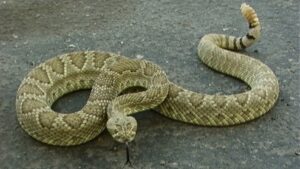
Rattlesnakes are venomous snakes known for their rattling tails. The California Poison Control System receives hundreds of rattlesnake exposure calls each year, especially from April to October, when the weather is warmer, and people head outdoors.
Severe or even life-threatening symptoms may occur within minutes or a couple of hours after a rattlesnake bite. As rattlesnake bites can be deadly, it is best to call emergency services right away.
Rattlesnake bites are preventable. Learn how to prevent poison exposure from rattlesnake bites by following the tips below.
Rattlesnake Bite Prevention
- Wear boots and long pants when hiking. Avoid walking barefoot or in sandals in areas where you can’t clearly see the ground.
- Stay on marked trails when hiking. Avoid tall grass, brush, and rocky areas.
- Never touch or disturb a rattlesnake, even if it looks dead.
- Look before lifting rocks, sticks, or firewood.
- Don’t hike alone in remote areas. A hiking partner can help in an emergency. If it’s safe, a hiking partner can photograph the snake to aid identification and treatment.
- Teach children to respect wildlife and leave rattlesnakes alone.
- Keep dogs leashed. Pets often get bitten when exploring.
If a Rattlesnake Bites Someone
- Stay calm – but act quickly!
- Call emergency services right away. Serious symptoms may appear within minutes or may take a few hours to begin.
- Rattlesnake bites can cause severe pain, swelling, bleeding, nausea, difficulty breathing, drooling, lightheadedness, and—in rare cases—collapse and shock.
- Do NOT
- Apply ice
- Cut the wound
- Attempt to suck out the venom
- Use a tourniquet
- Wash the wound with soap and water and remove rings, watches, or anything tight near the injured area.
- Keep the bitten area still, and at or below heart level while getting to medical care.
- If your pet is bitten, many veterinarians carry rattlesnake anti-venom and vaccines. Contact your veterinarian for more information.
The chances of being bitten are small, but taking simple precautions can greatly reduce your risk and help prevent severe injury.
Additional Resources
- CA Poison Control System – Rattlesnakes
- Ventura County Animal Services Public Service Announcement – Rattlesnake Awareness
- UC Davis Health – What to do if you are bitten by a rattlesnake
- State of CA Department of Fish and Wildlife – Rattlesnakes
- CDC National Institute for Occupational Safety and Health – Outdoor Workers: Venomous Snakes at Work